

Zambia RECAP 2022
What draws me to Zambia is its rugged, wild, and beautifully untamed landscapes — vast open spaces that feel both ancient and alive. It’s a country overflowing with wildlife and wanderlust. We spent time in South Luangwa National Park, in the eastern Luangwa River Valley, one of the most unspoiled and wildlife-rich regions in Africa. The beauty and depth of this place stay with you long after you’ve left; it’s profound in a way that’s hard to describe but impossible to forget.
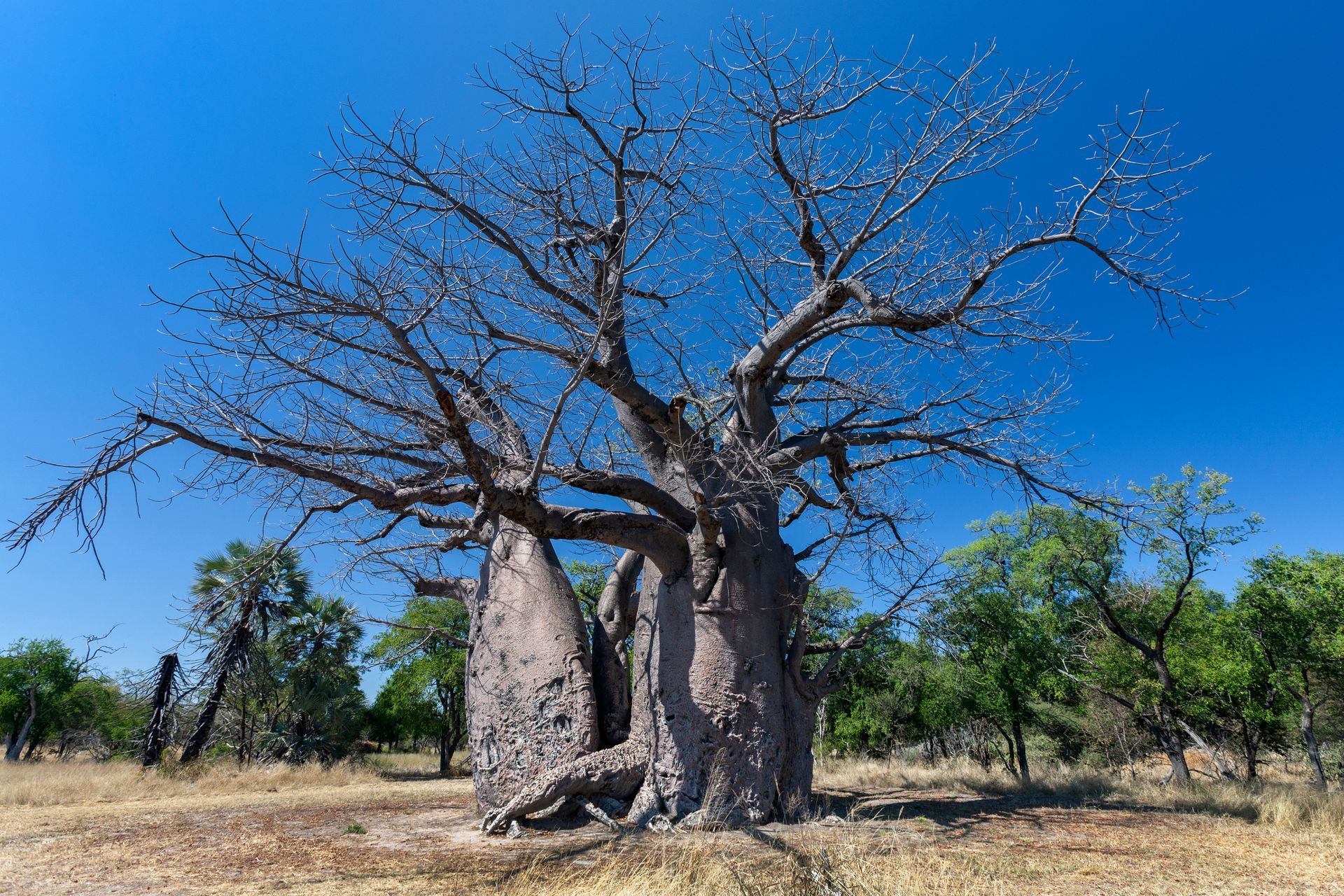
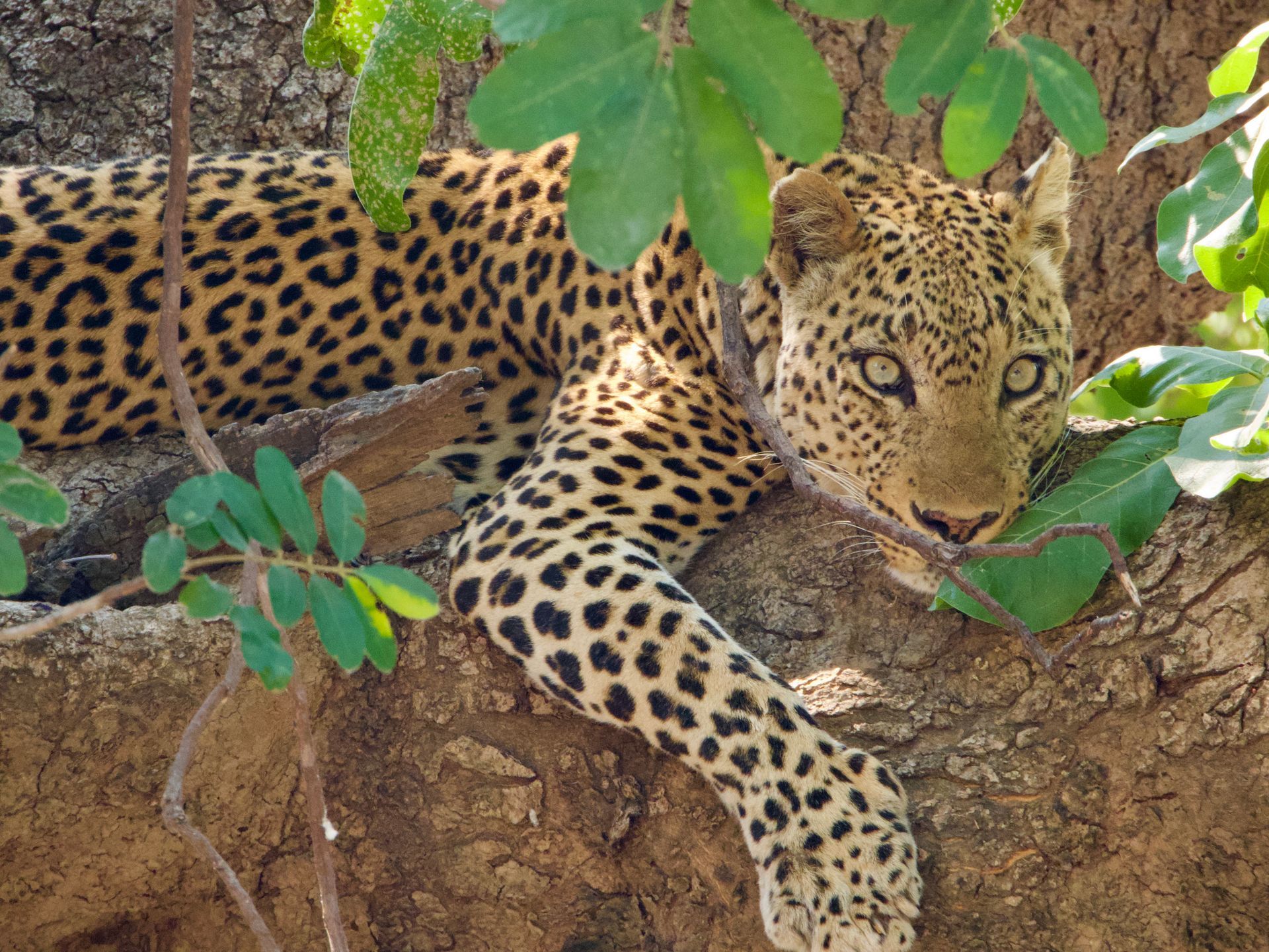
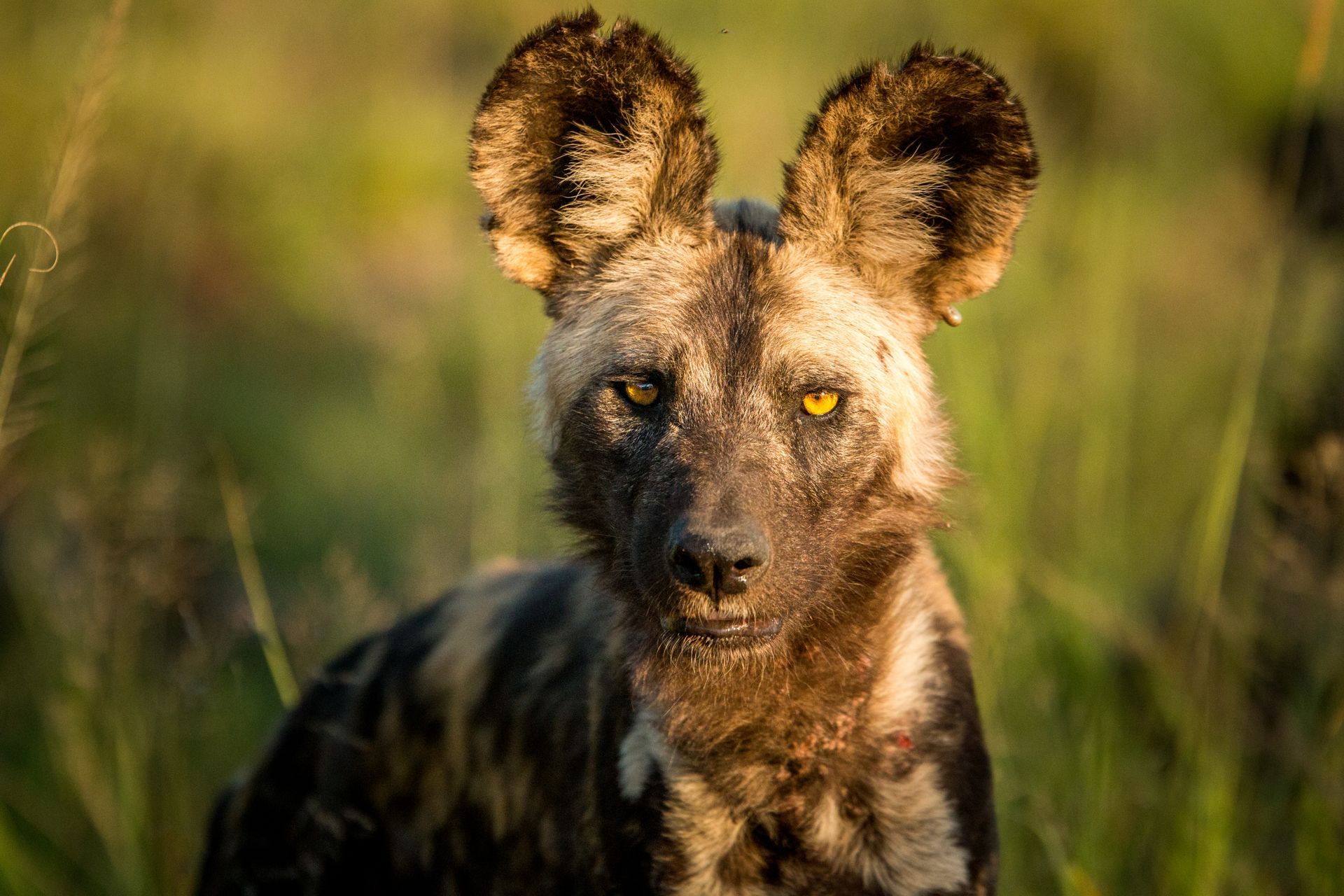
You can expect to wake each morning to a chorus of bird calls — a symphony of species whose songs feel like a gentle reminder that you’re far away in a remote and magical place. The bush here is framed by massive baobab trees and alive with wildlife: elephant, Cape buffalo, hippo, lion, Nile crocodile, warthog, puku, impala, spotted hyena, greater kudu, and eland are all common sightings. South Luangwa is also known for its healthy population of leopard, making it one of the best places in Africa to see them.
What’s unique to the Luangwa Valley are the endemic species: Thornicroft’s giraffe, Cookson’s wildebeest, and Crawshay’s zebra- animals found nowhere else in the world. And of course, the rivers are a spectacle in themselves, crowded with hippos and lined with herds of elephants bathing and drinking along the banks.
This part of Zambia is also renowned for its exceptional walking safaris, which we incorporated into our daily game drives. Being on foot allows you to truly become part of your surroundings- to experience the bush in its most natural state and literally walk in the footsteps of the animals you’ve come to see.
We also enjoyed incredible night drives and several meaningful community visits. South Luangwa is, quite simply, an outstanding safari destination — rich in wildlife, grounded in culture, and filled with unspoiled places waiting to be explored.
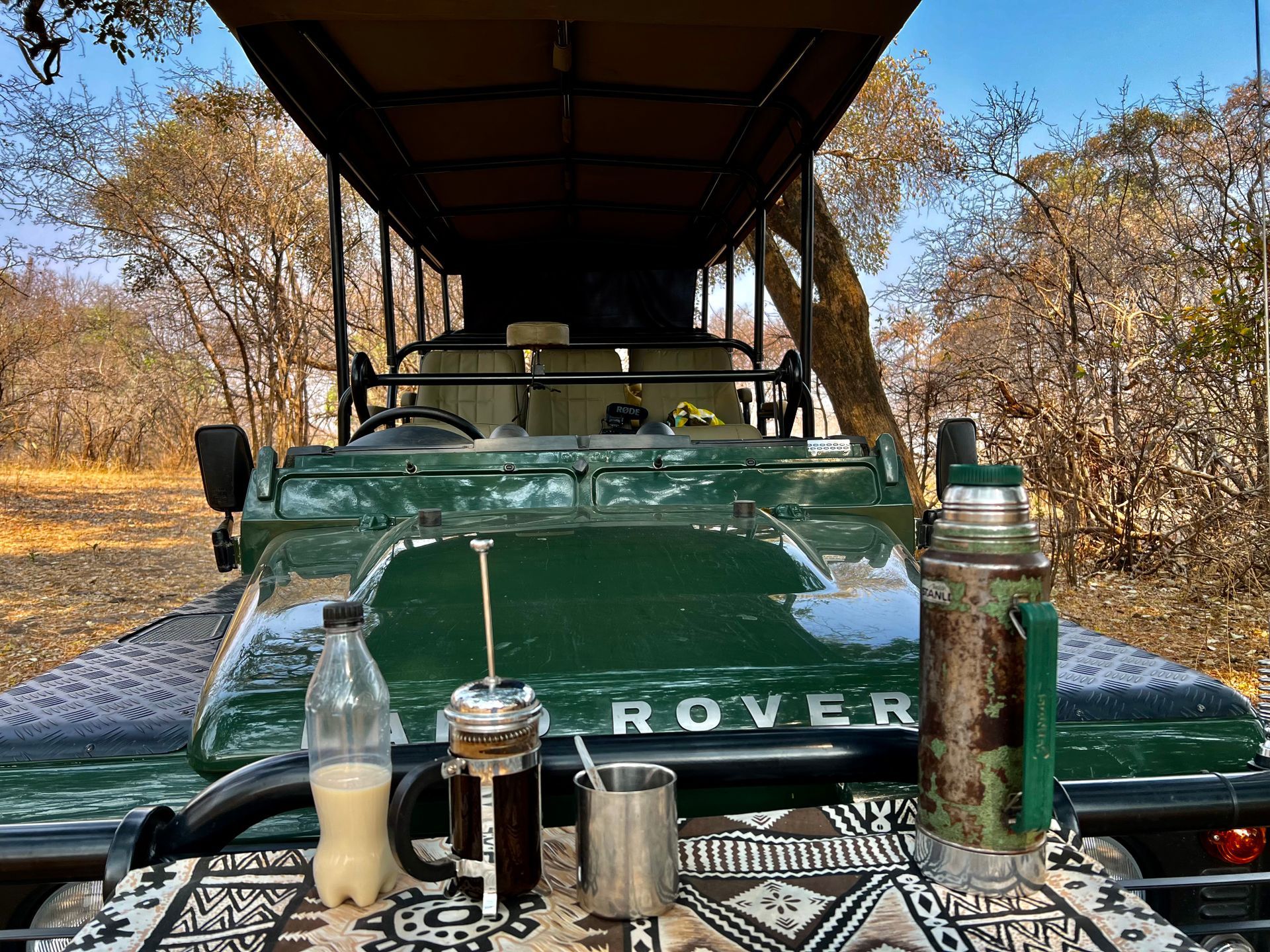
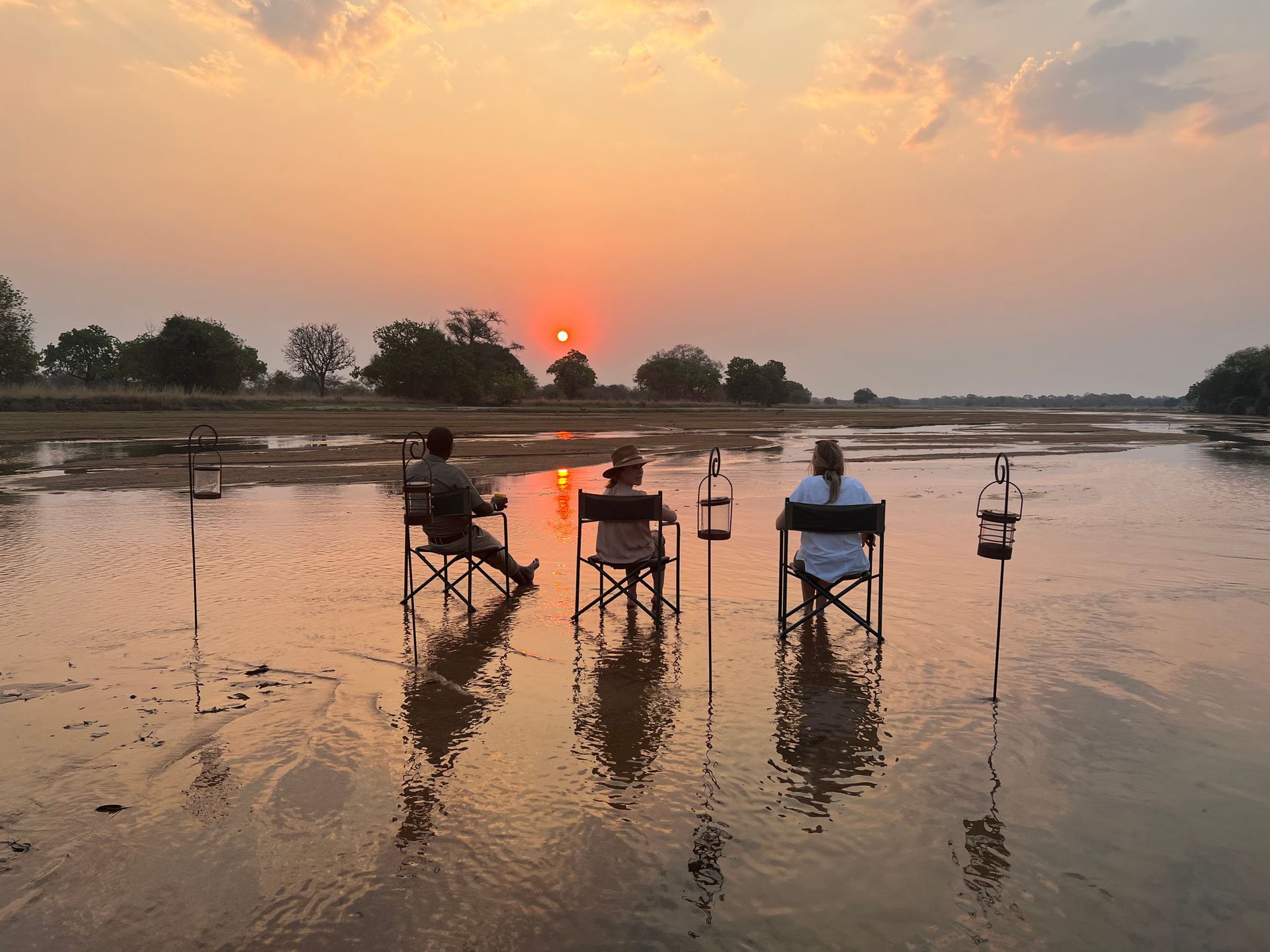
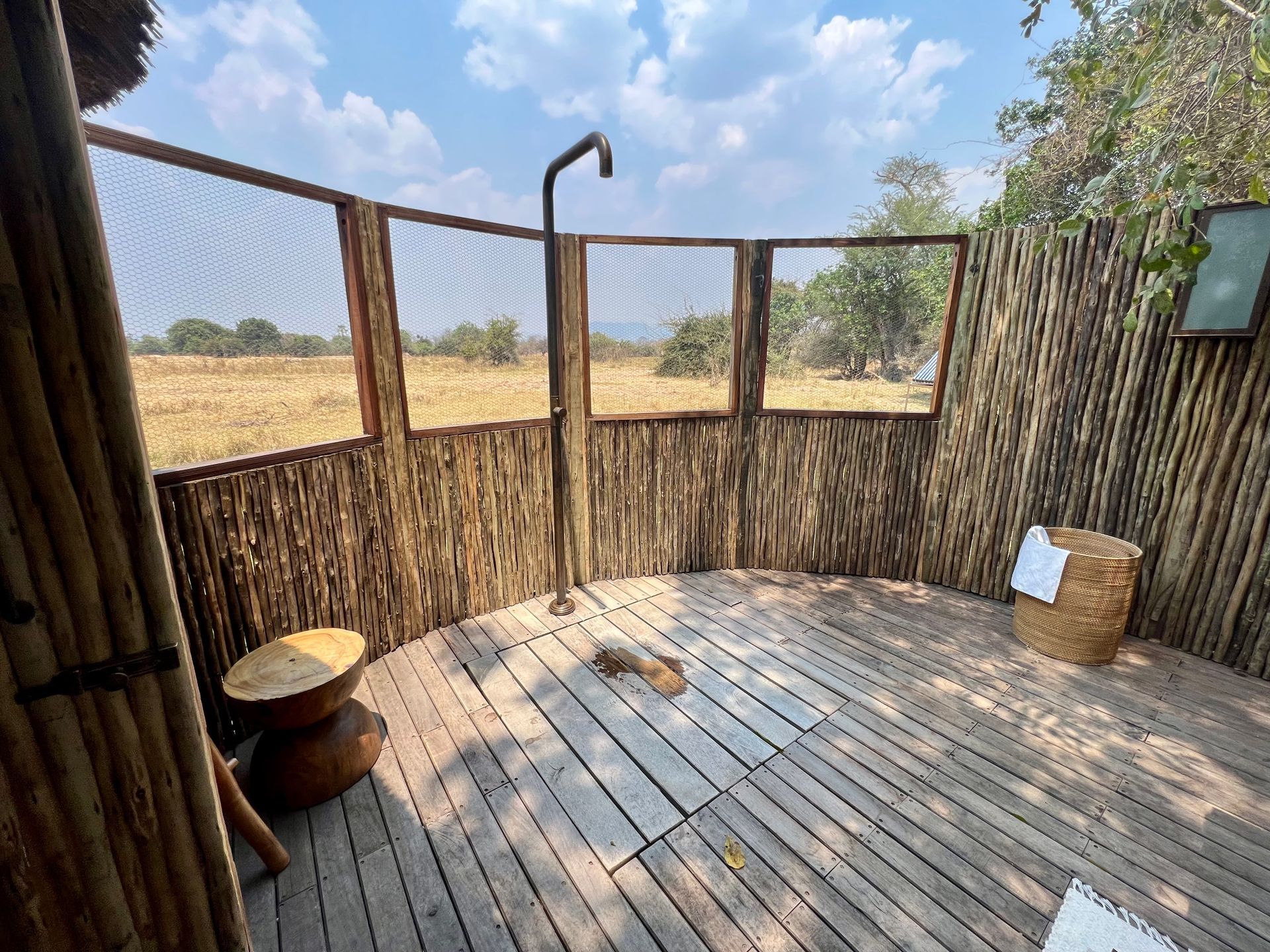
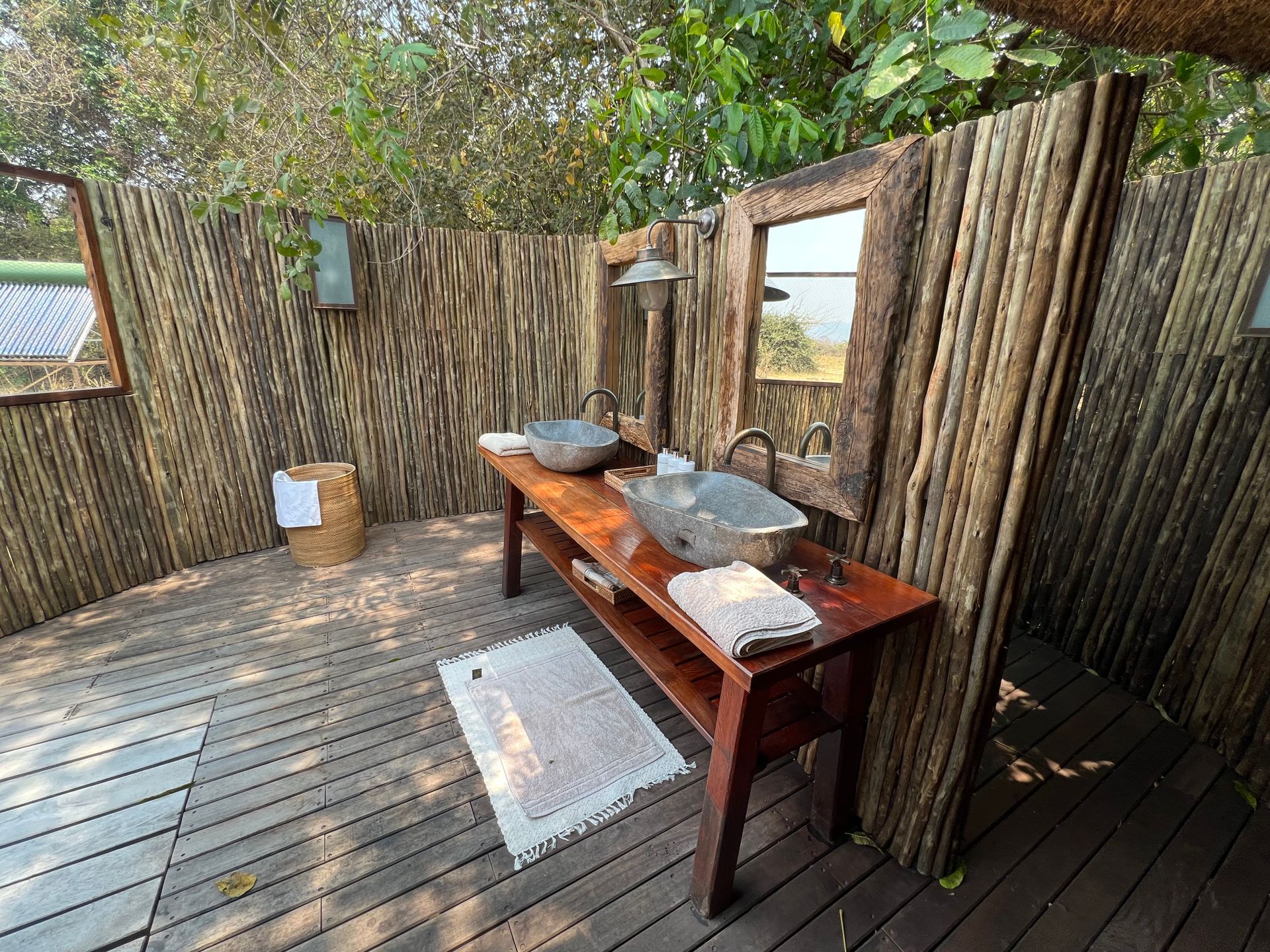
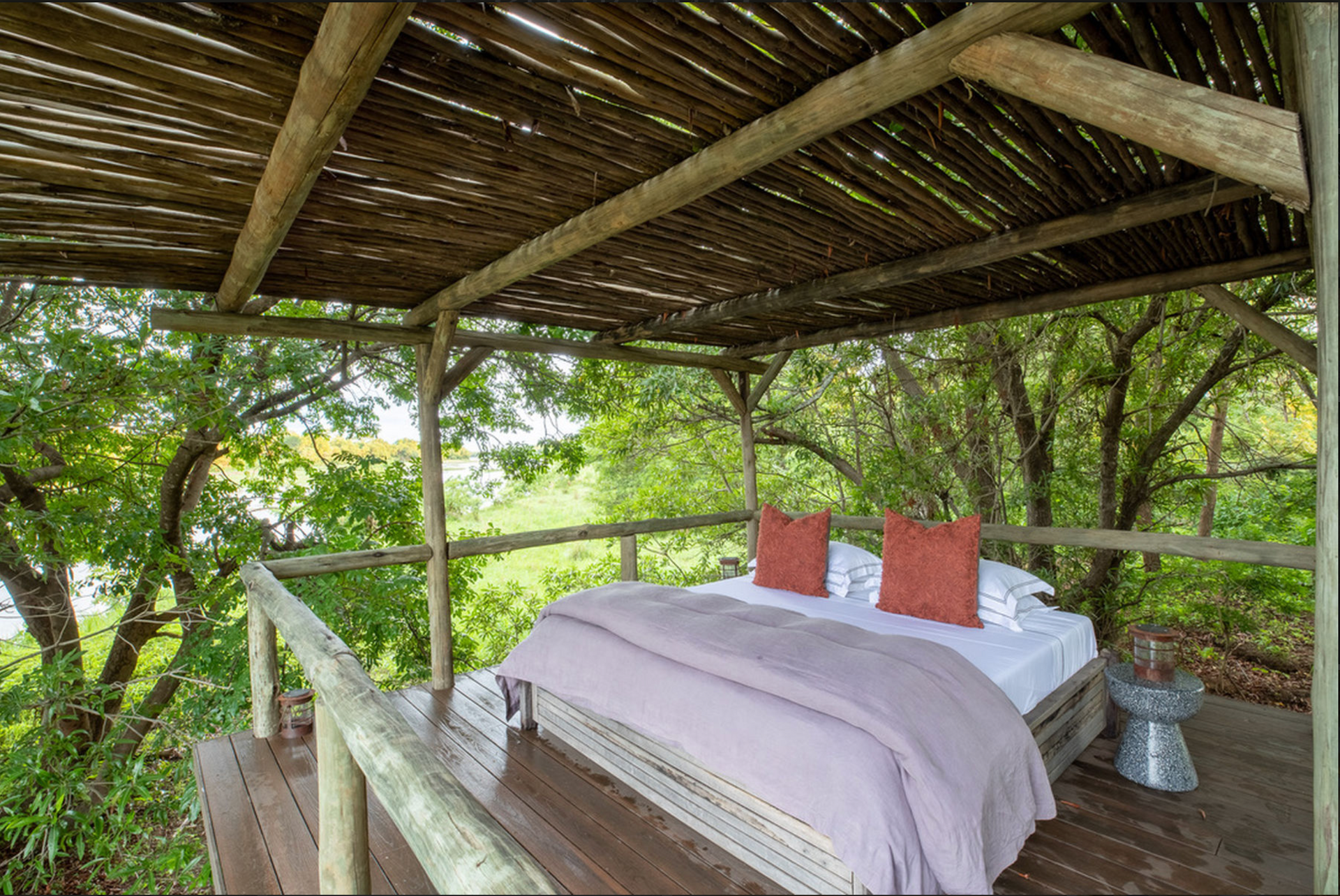
We traveled with The Bushcamp Company for this trip and absolutely loved the diversity, beauty, and personality of each bushcamp — Mfuwe Lodge, Kuyenda, Chindeni, Chamilandu, Bilimungwe, and Kapamba. Each one was truly unique, with its own atmosphere and charm. I found every camp peaceful and beautifully run, with warm staff, delicious food, and a sense of quiet luxury woven into the experience.
The bushcamps I’m most drawn to offer spacious, beautifully appointed luxury tents — tastefully decorated, filled with the subtle scents and textures that evoke romantic Africa, and surrounded by wildlife. Falling asleep with the sounds of the bush all around you is unforgettable
There is a tremendous amount of meaningful conservation work happening in Zambia. One standout example is the Zambian Carnivore Programme (ZCP) — a nonprofit dedicated to conserving Zambia’s large carnivores and the ecosystems they depend on. Their approach blends rigorous scientific research, hands-on conservation action, and community education, creating a comprehensive model for wildlife protection.
ZCP works closely with local communities, national authorities, and international partners to address the many conservation challenges facing Zambia and the region. Their research and fieldwork have been truly groundbreaking, providing essential data and real solutions that support lions, wild dogs, cheetahs, leopards, and the broader ecosystems that hold them.
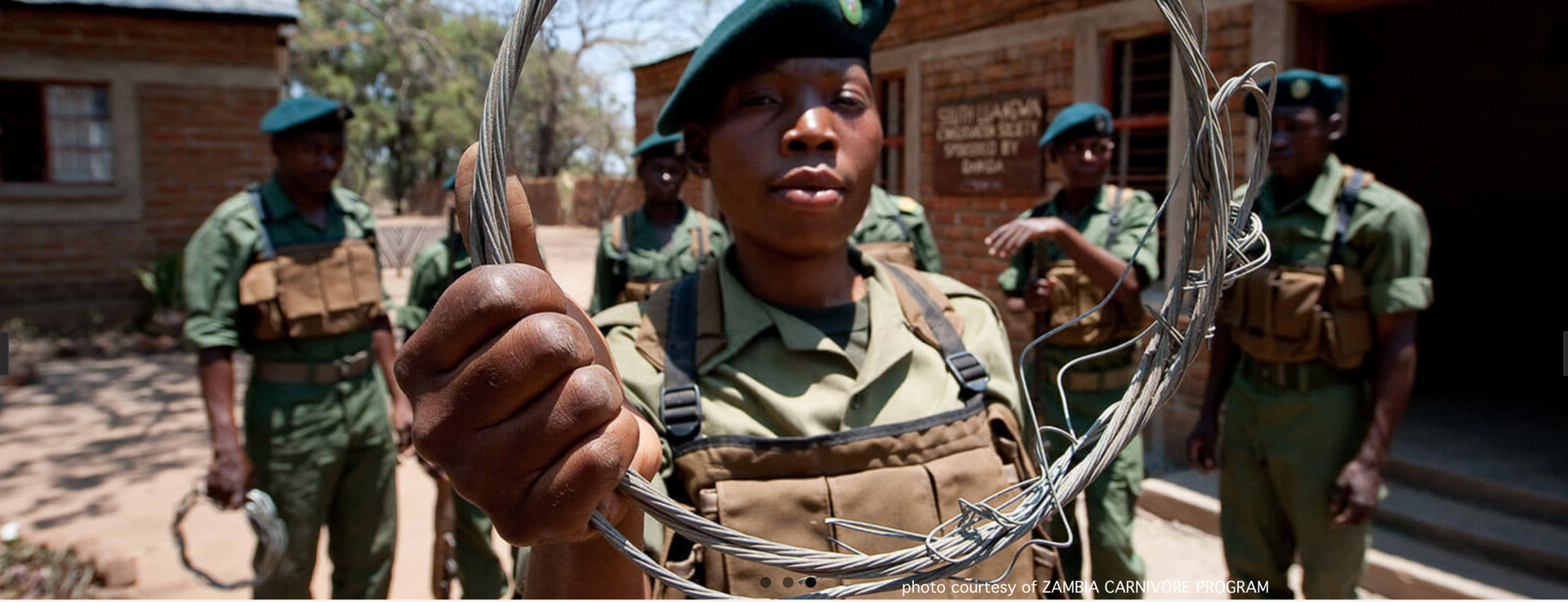
The Bushcamp Company, where we stayed, is deeply committed to conservation and community uplifment. For over 25 years, they’ve led initiatives spanning education, community development, and reforestation—planting more than 6,000 trees, building schools, dormitories, libraries, kitchens, and supporting aerial conservation efforts across the region.
We also visited a nearby community to see a newly installed water borehole, providing clean, reliable water to families who previously had limited access. Witnessing the immediate, life-changing impact of something so fundamental was deeply moving.
I highly recommend visiting Game Rangers International (GRI) in Lusaka, Zambia. Their mission—and the way their work continues to grow and evolve—is deeply impressive. Working closely with the Department of National Parks and Wildlife, GRI supports rangers and local communities through programs focused on resource protection, community outreach, and wildlife rescue, all with tangible impact on the ground.
One of the most powerful experiences is visiting the elephant orphanage. Here, calves rescued from poaching, human–wildlife conflict, or other tragic circumstances are cared for and rehabilitated. Visitors observe from a purpose-built hide, minimizing human impact as the elephants begin their journey back toward the wild. Watching their personalities and resilience emerge is truly unforgettable.
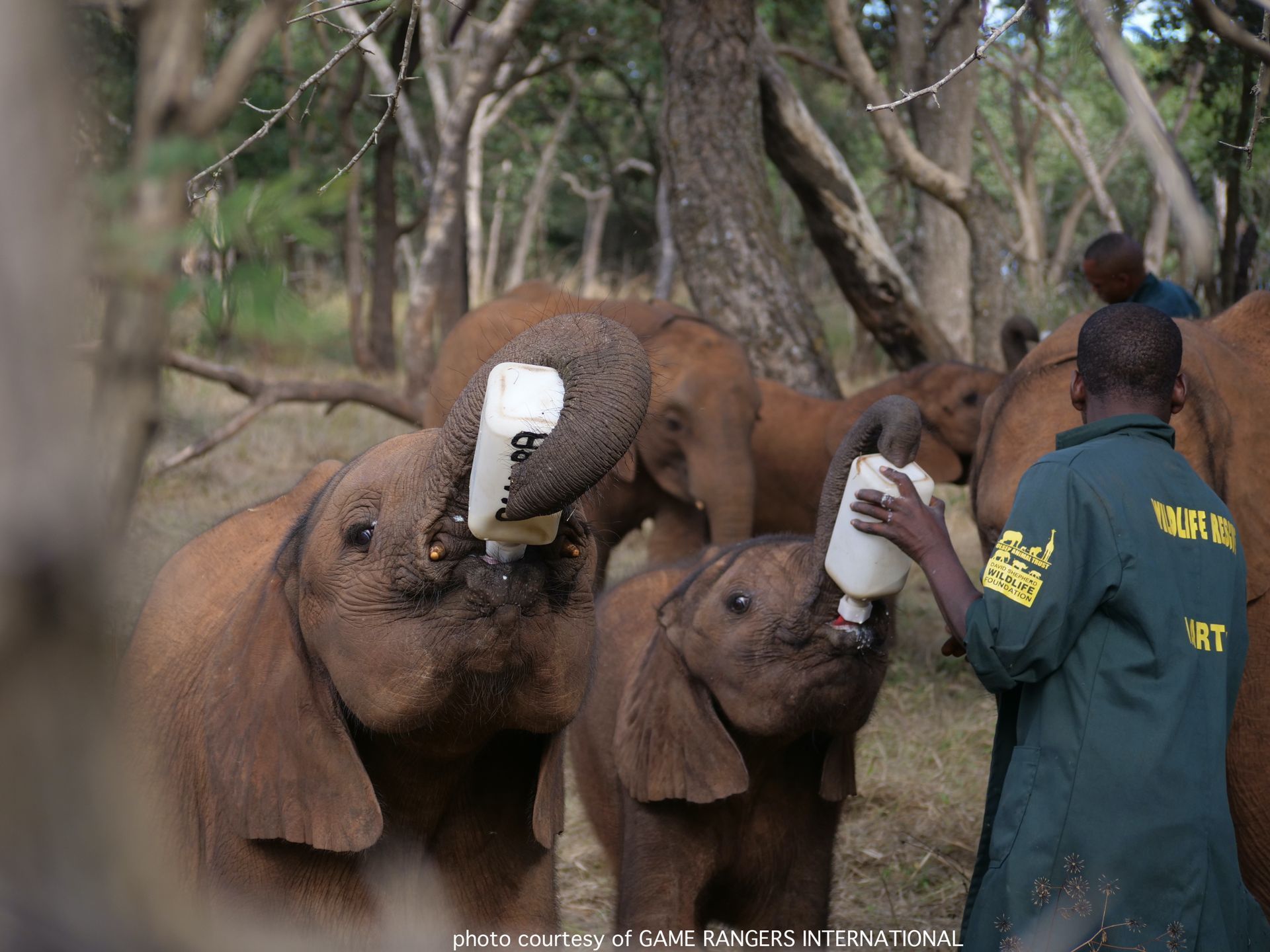
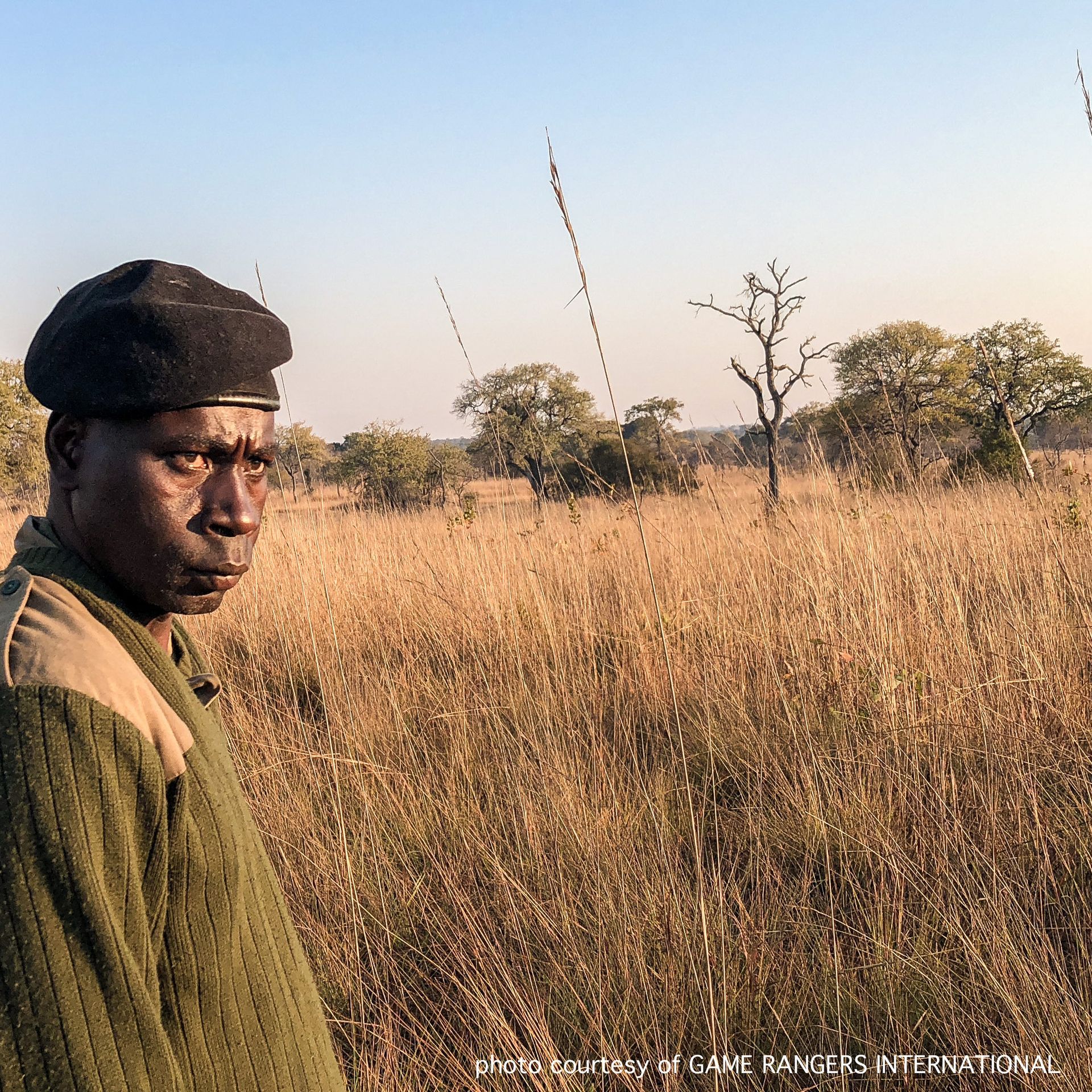
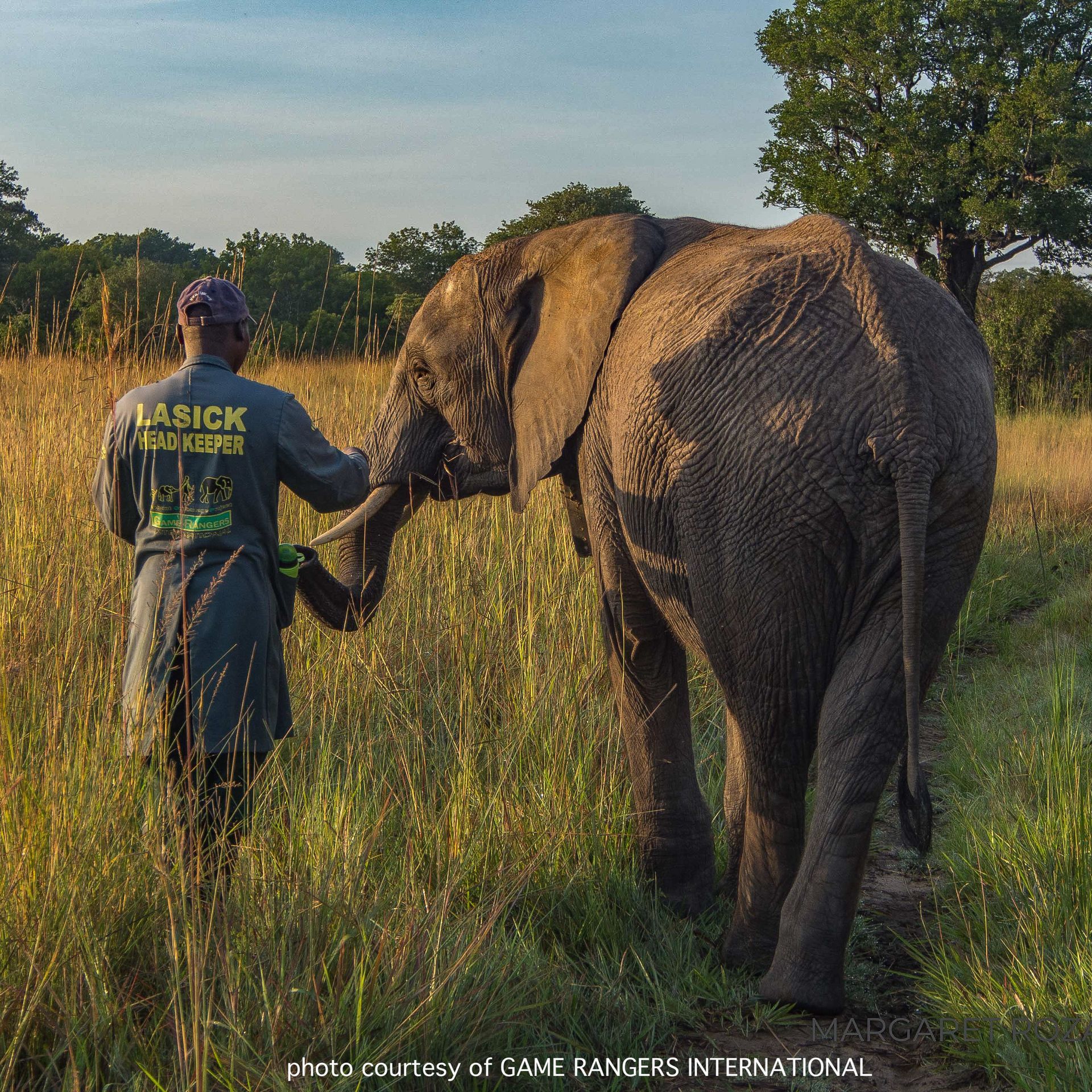
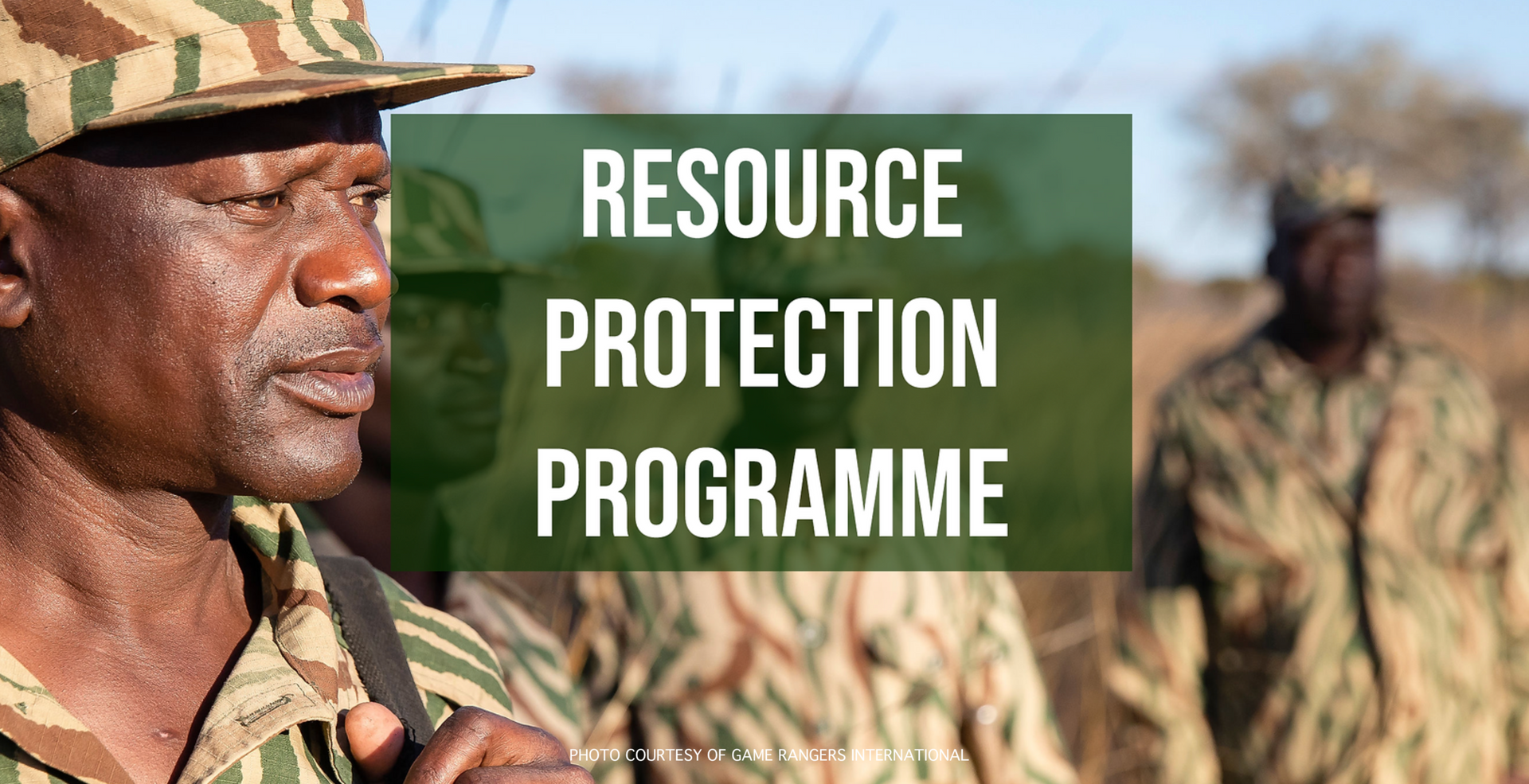
GRI's latest project is the Wildlife Discovery Programme, is an immersive educational experience that takes you deep into Zambia’s rich ecosystems. Through informative display boards, interactive discovery tables, ranger-led presentations, and hands-on learning activities, visitors can explore wildlife behavior, ecological adaptations, and the urgent conservation challenges facing the region — along with the solutions being developed to address them. It’s an incredibly accessible and engaging way to understand the many layers of conservation work.
I also loved their beautifully curated curio shop, The Collective, which showcases the work of talented Zambian designers. Every purchase supports wildlife conservation and community enterprises, making it a meaningful extension of GRI’s mission.
Review Zambia 2022 trip
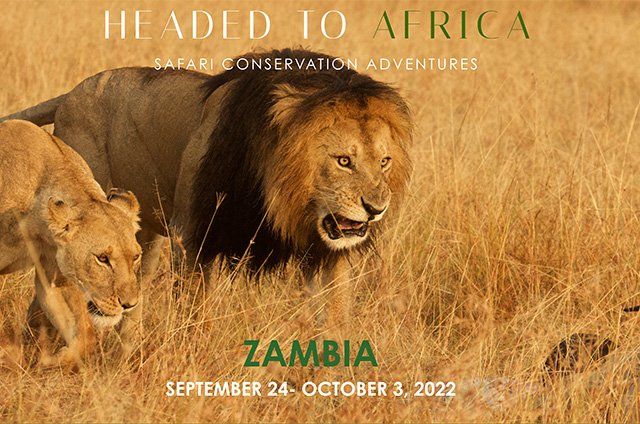
Zambia, Safari Conservation Trip.
September 24th-October 3rd, 2022